
Wild Nashik: birds, peaks and the Godavari valley
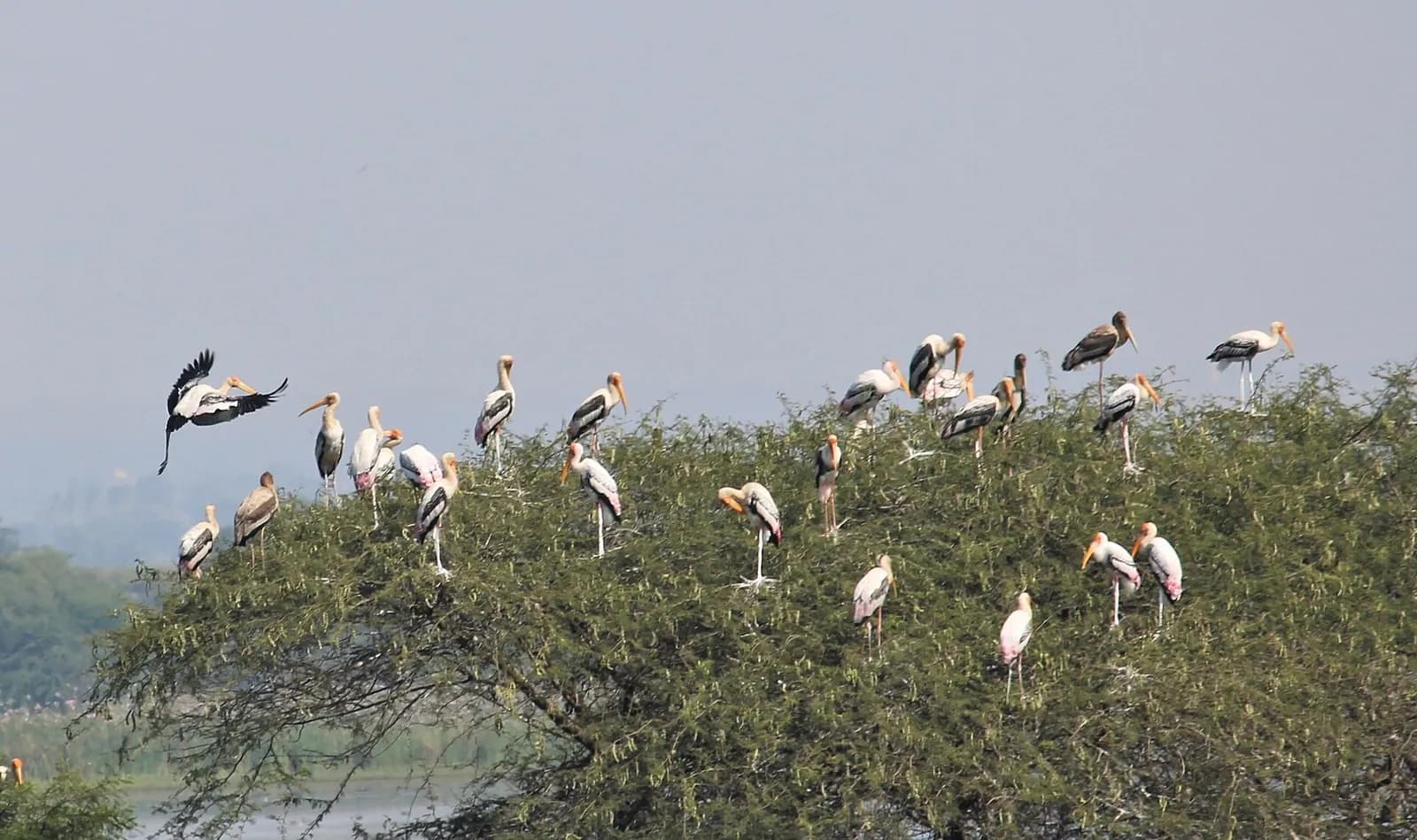
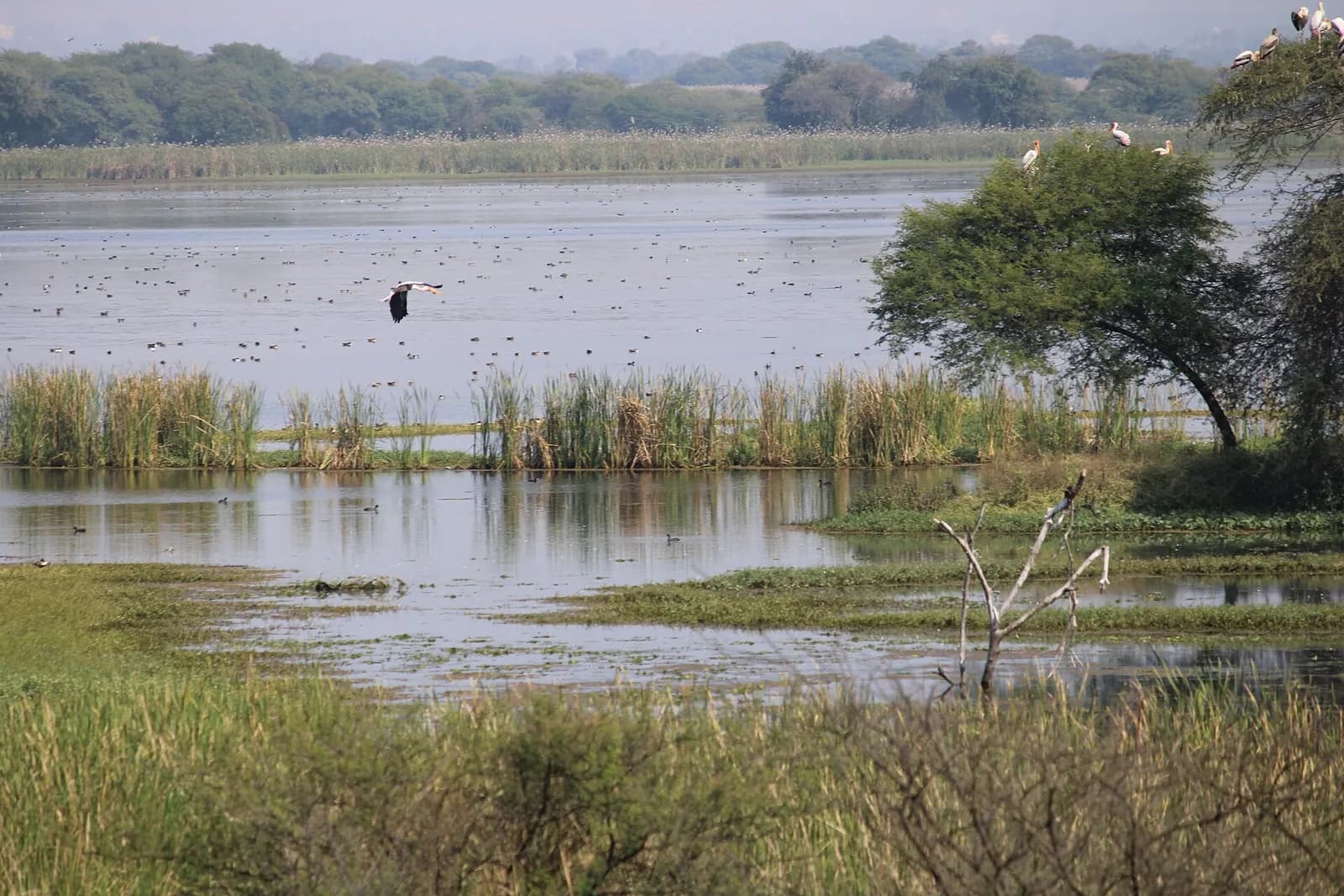
Nandur Madhmeshwar: the bird lake
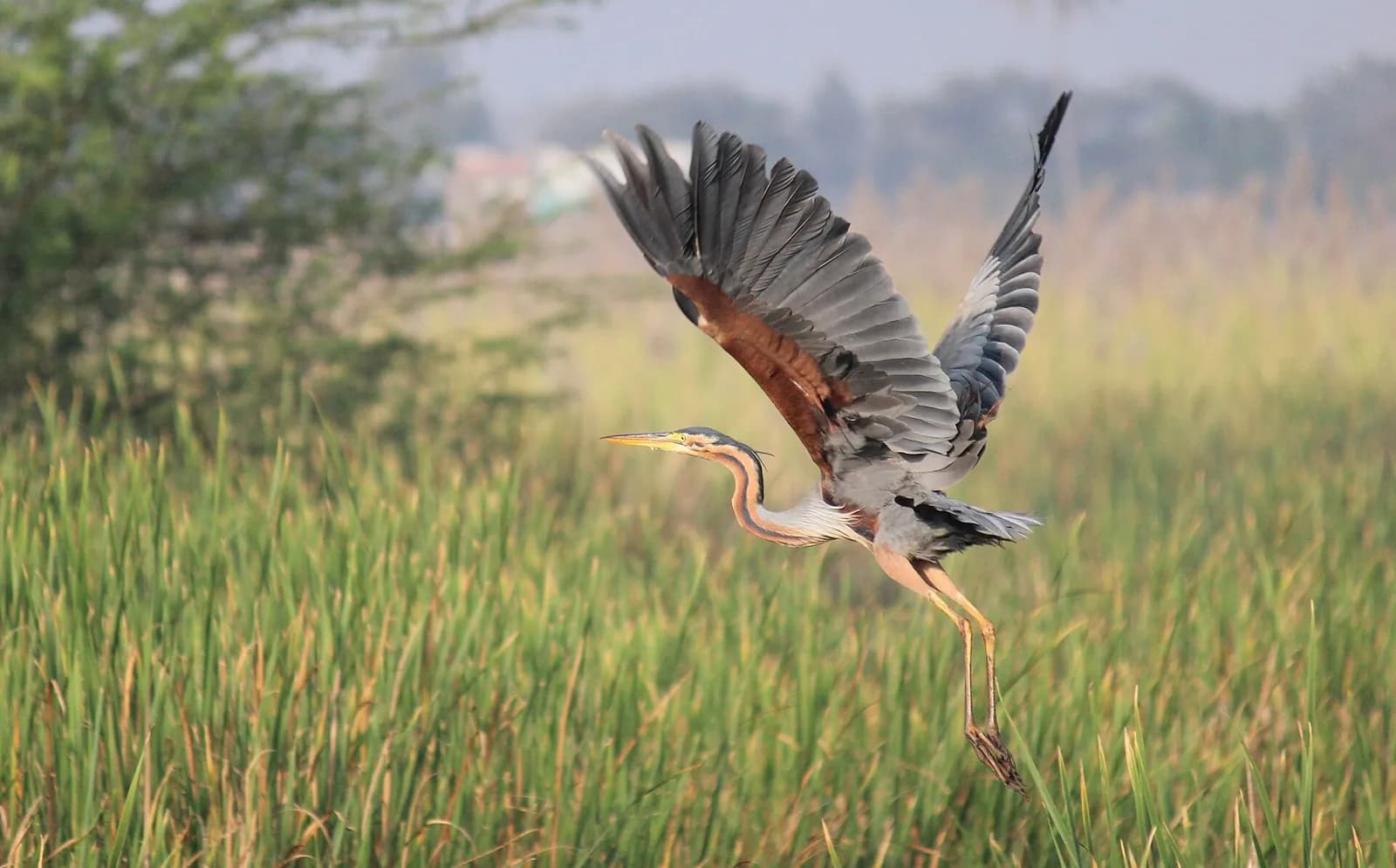
About 40 km from Nashik, where the Kadwa river meets the Godavari, an old dam created a shallow lake full of reeds and islands. Today it is the Nandur Madhmeshwar bird sanctuary, and in 2020 it became Maharashtra's first Ramsar site, a wetland of international importance.
More than 200 kinds of birds have been recorded here. From October to March, migrant ducks, waders and storks arrive in thousands. Watchtowers along the bank make it easy to see them; come early in the morning with binoculars.
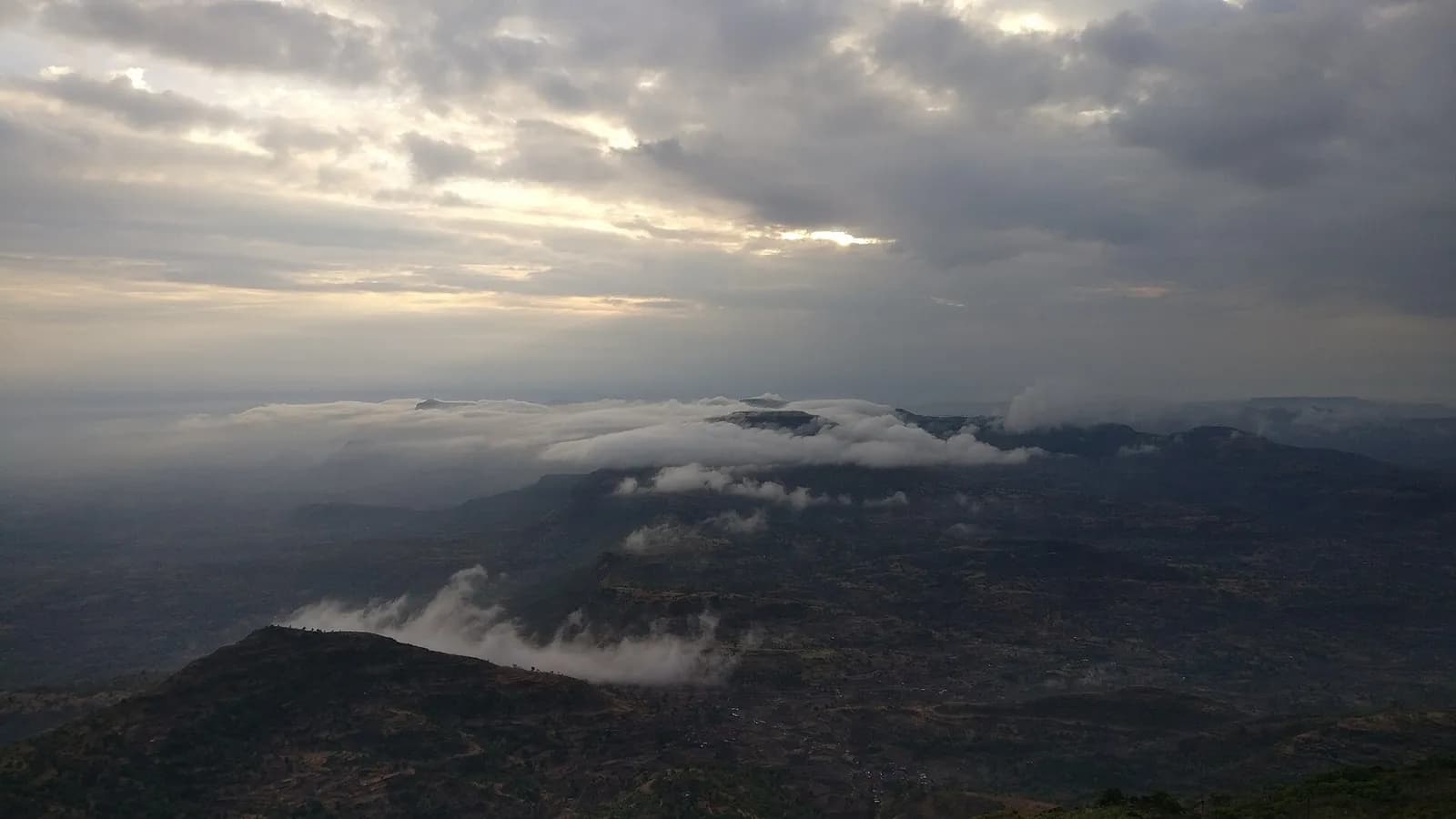
Kalsubai: the roof of Maharashtra
At about 1,646 metres, Kalsubai is the highest peak in Maharashtra. It rises on the Nashik–Ahilyanagar border near Igatpuri, with a small temple to the goddess Kalsubai on the summit.
The climb takes three to four hours with iron ladders on the steep parts. Sunrise from the top, over a sea of clouds in the monsoon, is unforgettable; do not attempt it in heavy rain.
📅 Amrit Snan 2027: 2 Aug · 31 Aug · 11 Sept · 12 Sept · see the calendar
Brahmagiri, Anjaneri and the flower plateaus
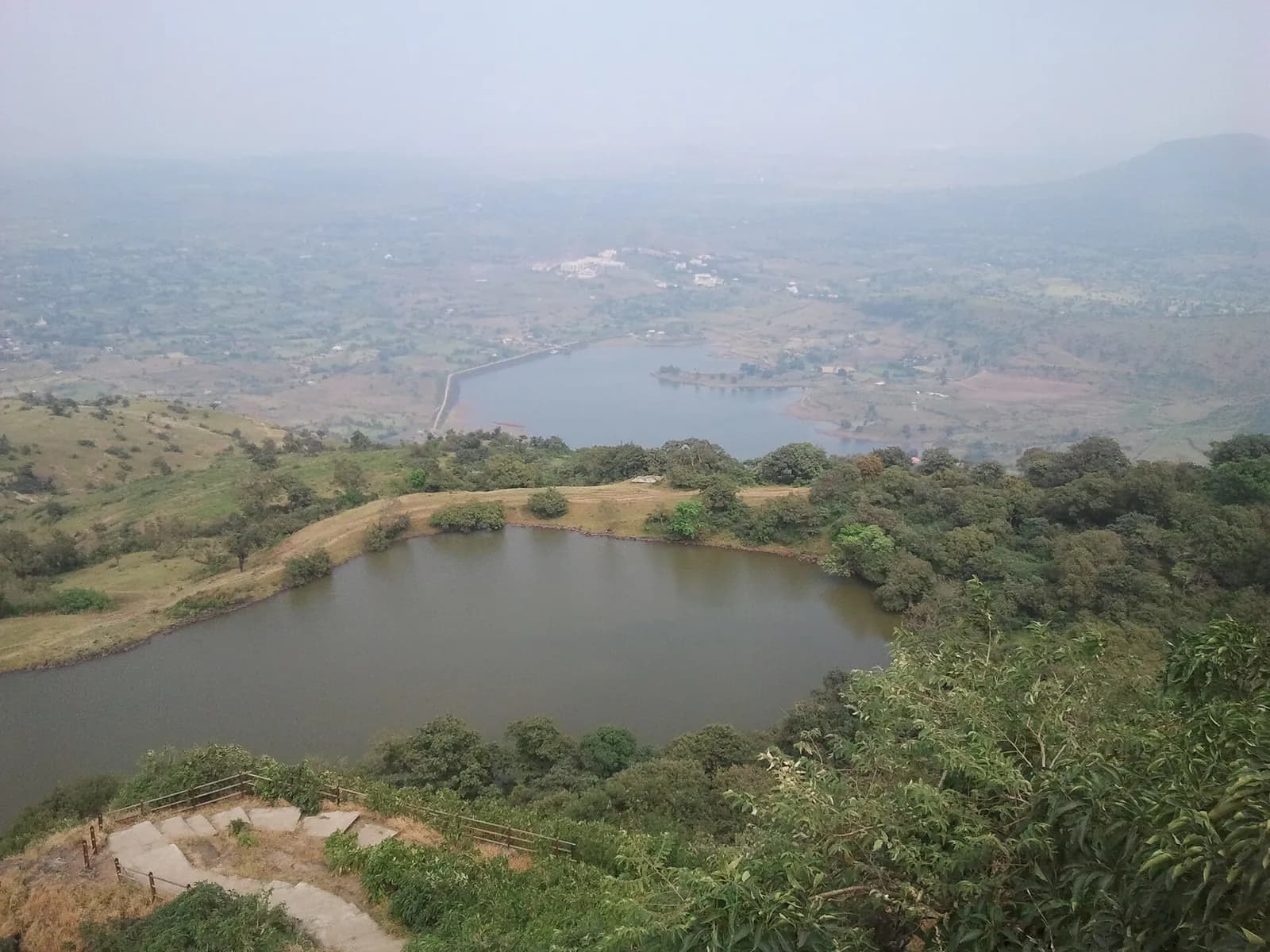
Around Trimbakeshwar, the hills of the Western Ghats come alive after the monsoon. Brahmagiri, where the Godavari rises, and Anjaneri, believed to be Hanuman's birthplace, turn green and carpeted with wildflowers in September and October.
Anjaneri has rare plants found almost nowhere else and is protected as a conservation reserve. Stay on the paths and carry your plastic back down.
Respect the river
The Godavari is a sacred river and a living ecosystem. During the Kumbh, keep flowers and offerings in the bins provided, avoid soap in the water and never throw plastic into the river. A clean Godavari is the best offering a pilgrim can make.
Ready to go? Turn this into a day plan.
✨ Plan this📚 Topic from the Kumbh Nashik Parva booklet; written independently by Kumbh Path.
Kumbh Path explainers are written for general guidance. For official rules and timings, follow government notices.