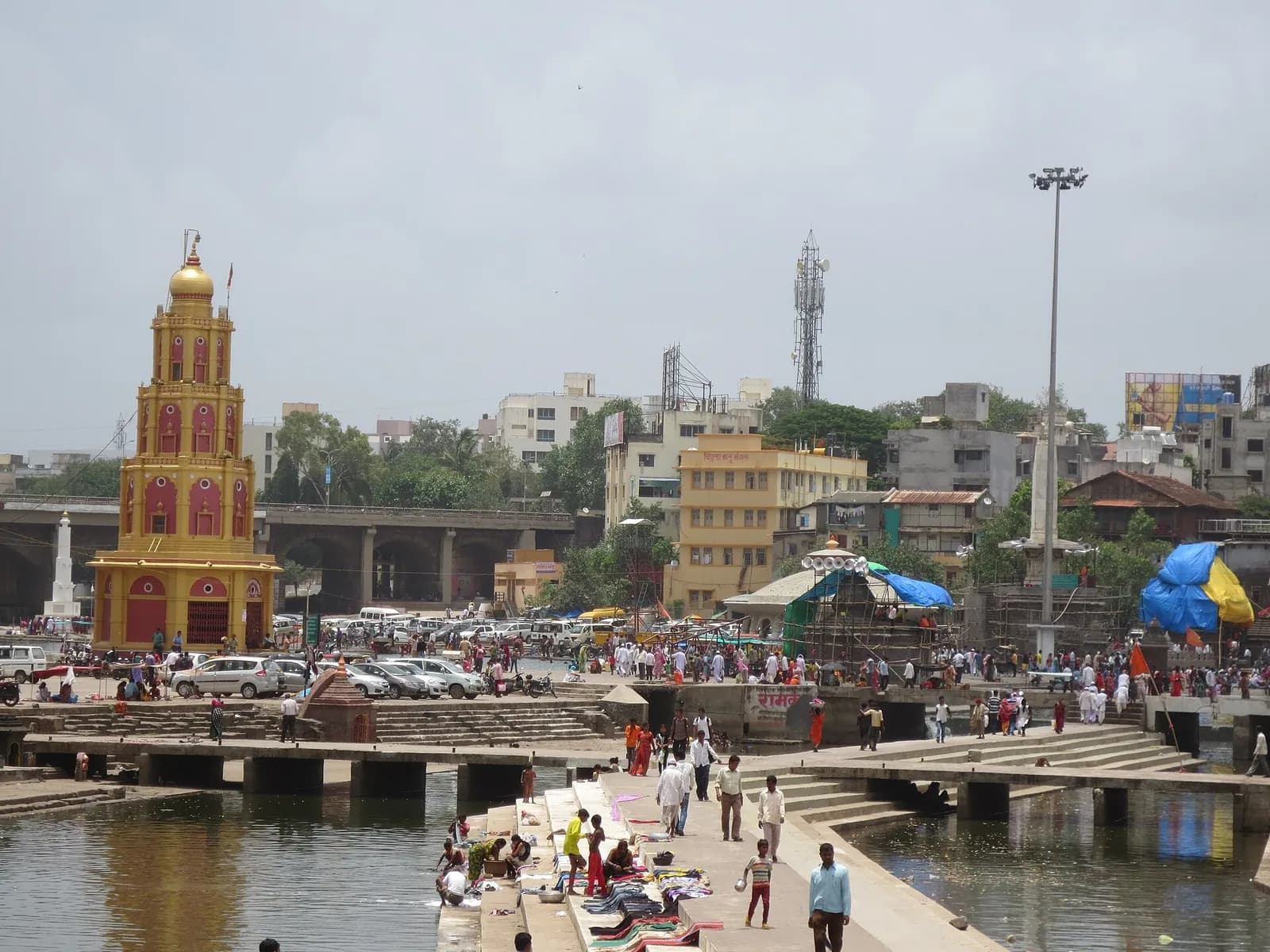
Sacred bathing kund on the Godavari, Panchavati.
About
Ramkund is the spiritual heart of the Nashik Kumbh. Tradition holds that Lord Rama bathed here during his exile in the Panchavati forest, and devotees come to take a holy dip in the Godavari.
During the Simhastha, the Vaishnava akhadas take their Amrit Snan at Ramkund. The ghat is also where the Dhwajarohan (flag hoisting) marks the start of the Kumbh.
On snan days the ghat is extremely crowded. Arrive early, follow police barricades and agree on a meeting point with your family before you enter.
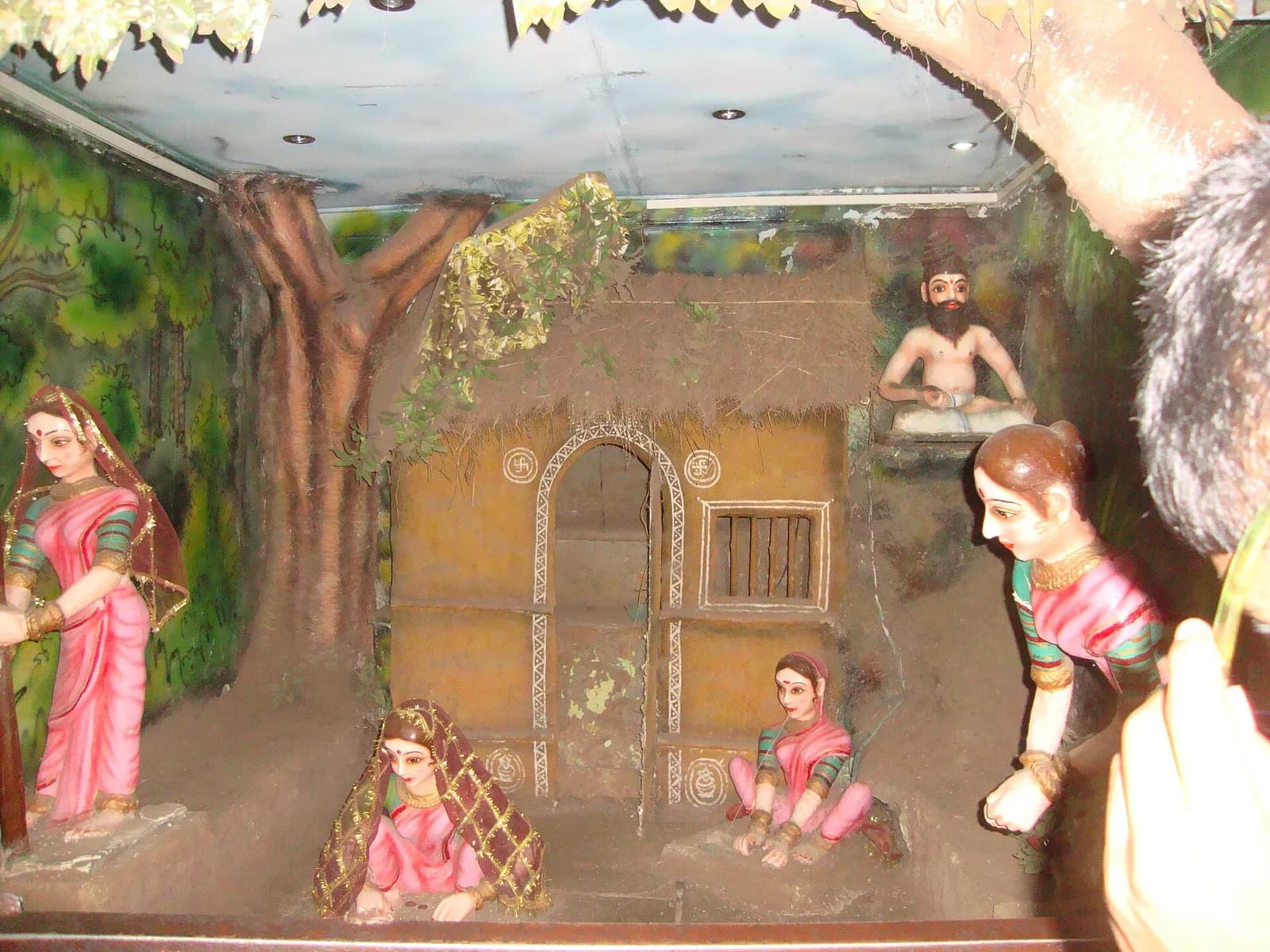
In the Ramayana, Rama, Sita and Lakshmana spent part of their fourteen-year exile in the forest of Panchavati, on the north bank of the Godavari. Tradition holds that Rama bathed in the river at this spot, and the kund has carried his name ever since.
Nashik itself takes its name from the same years of exile. It was here, the story goes, that Lakshmana cut off the nose (nasika) of the demoness Shurpanakha, Ravana’s sister.
For centuries the Simhastha bathing took place only at Trimbak, at the source of the Godavari. In 1789 the Shaiva sanyasis and the Vaishnava bairagis clashed violently over who should bathe first.
To keep the peace, the Maratha Peshwa gave the Vaishnava akhadas their own bathing place at Ramkund in Nashik. That decision is why the Nashik Simhastha still has two snan sites today: Ramkund for the Vaishnava akhadas and Kushavarta at Trimbak for the Shaiva akhadas.
Ramkund is not only a place to bathe. Families come from all over India to immerse the ashes of loved ones (asthi visarjan) and to perform rites for their ancestors with the priests on the steps.
As the sun goes down, the Godavari aarti fills the ghat with lamps, bells and chanting, and small leaf-boats with diyas float down the river.
During the 2003 Nashik Kumbh, a crush in a narrow lane leading to Ramkund killed 39 pilgrims. The barricades, one-way routes and holding areas you will see on snan days are there to stop that from happening again.
Follow the police and volunteers, keep children close, and fix a meeting point with your family before you walk down to the water.
Did you know?
Tradition says Lord Rama and Sita bathed in this kund during their exile in the Panchavati forest, which gives the kund its name.
Families come from across India to immerse ashes here. It is believed the remains dissolve in the water and the soul finds peace.
The ancient Ganga-Godavari temple on the ghat opens its doors only during the Simhastha year.
Part of Mahatma Gandhi's ashes were immersed here in 1948. The memorial beside the kund recalls it.
The Dhwajarohan (flag hoisting) at Ramkund opens the Nashik Simhastha, and the Vaishnava akhadas take their Amrit Snan here.
Puja & seva
Snan, asthi visarjan and the daily Godavari aarti. Remove footwear before the steps and keep the ghat clean.
Utsav
Makar Sankranti snan
14–15 January
Ram Navami
Chaitra (March–April)
Kartik Purnima deepotsav
Kartik (November)
Amrit Snan days
Simhastha 2027 (see Calendar)
Before you go
FAQ
Early morning between 5 and 8 AM for a quiet snan, or around sunset for the Godavari aarti.
Yes. Priests on the ghats perform asthi visarjan, shraddha and dashakriya every day. Ask the fee first and keep the receipt if one is given.
On normal days there is paid parking around Panchavati. During the Kumbh vehicles stop at outer parking lots and shuttle buses run towards the ghat.
On normal days, yes, with care on the wet steps. On Amrit Snan days crowds are very heavy; make a Safety Card for every child and senior.
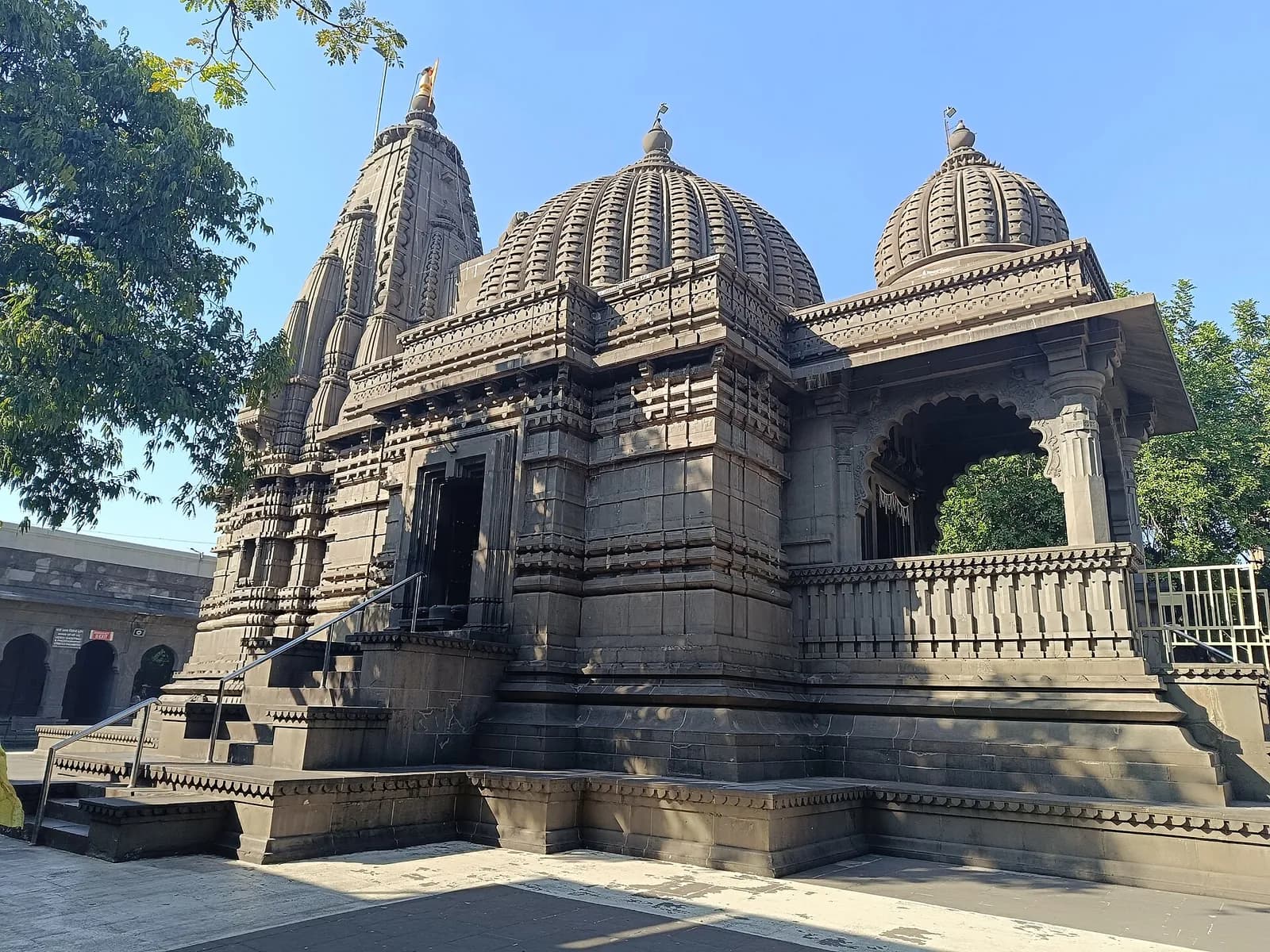
Black-stone Ram temple, Panchavati
Best time: morning or evening aarti · Nashik