
Dadasaheb Phalke: the Trimbak boy who started Indian cinema
A son of Trimbak
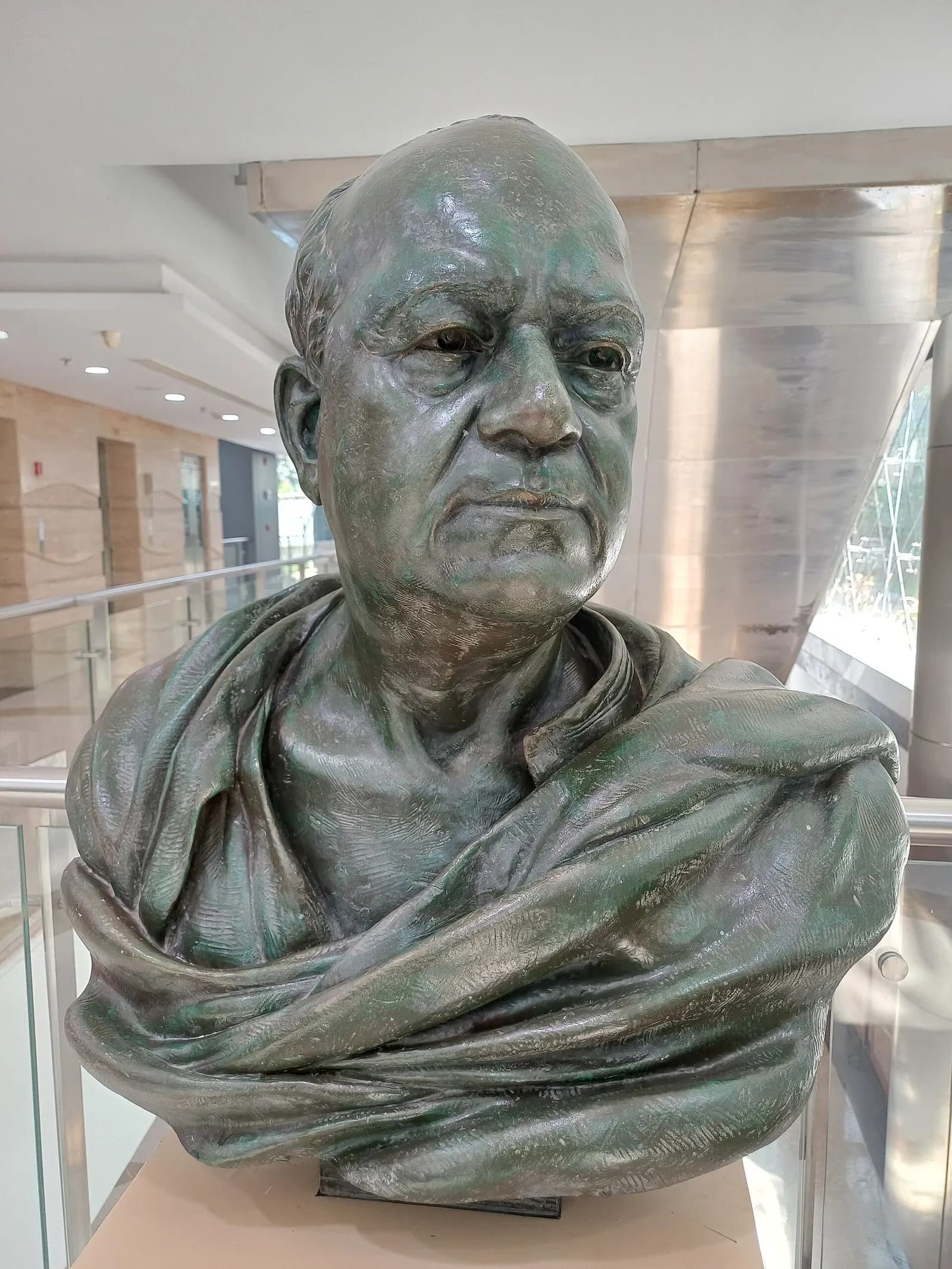
Dhundiraj Govind Phalke was born on 30 April 1870 in Trimbak, the temple town of the Trimbakeshwar Jyotirlinga, into a family of Sanskrit scholars. He studied art in Bombay and Baroda and worked as a photographer, printer and even a stage magician before finding his life's work.
The film that started it all
Around 1910 Phalke watched a film about the life of Christ in Bombay and decided that India should see its own gods and heroes on screen. He pawned belongings, travelled to London to learn the craft and bought a camera.
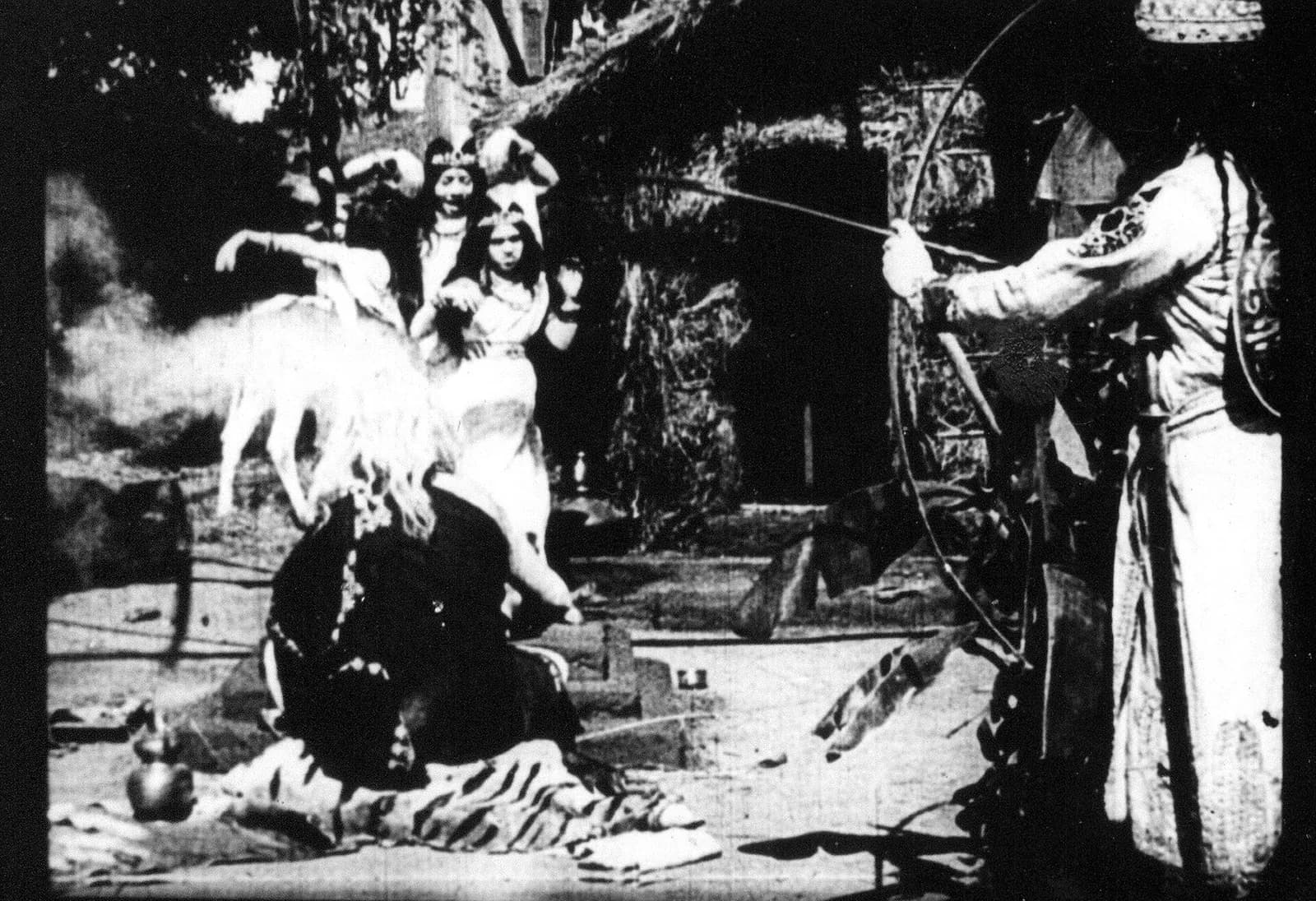
His film Raja Harishchandra opened in Bombay on 3 May 1913. It is remembered as India's first full-length feature film. Because women did not then act on stage or screen, the queen Taramati was played by a man.
📅 Amrit Snan 2027: 2 Aug · 31 Aug · 11 Sept · 12 Sept · see the calendar
A studio in Nashik
Phalke moved his work to Nashik, where he set up his studio and, a few years later, the Hindustan Cinema Films Company with business partners. Mythological films such as Lanka Dahan and Shri Krishna Janma drew huge crowds. His wife Saraswatibai worked beside him on processing and editing.
He made close to a hundred films, most of them silent. He died in Nashik on 16 February 1944.
His legacy
Since 1969, India's highest award in cinema has carried his name: the Dadasaheb Phalke Award. In Nashik, the Phalke Smarak memorial park sits at the foot of the Pandav Leni hill, an easy stop with the caves.
Ready to go? Turn this into a day plan.
✨ Plan this📚 Topic from the Kumbh Nashik Parva booklet; written independently by Kumbh Path.
Kumbh Path explainers are written for general guidance. For official rules and timings, follow government notices.