
Who are the Naga sadhus?
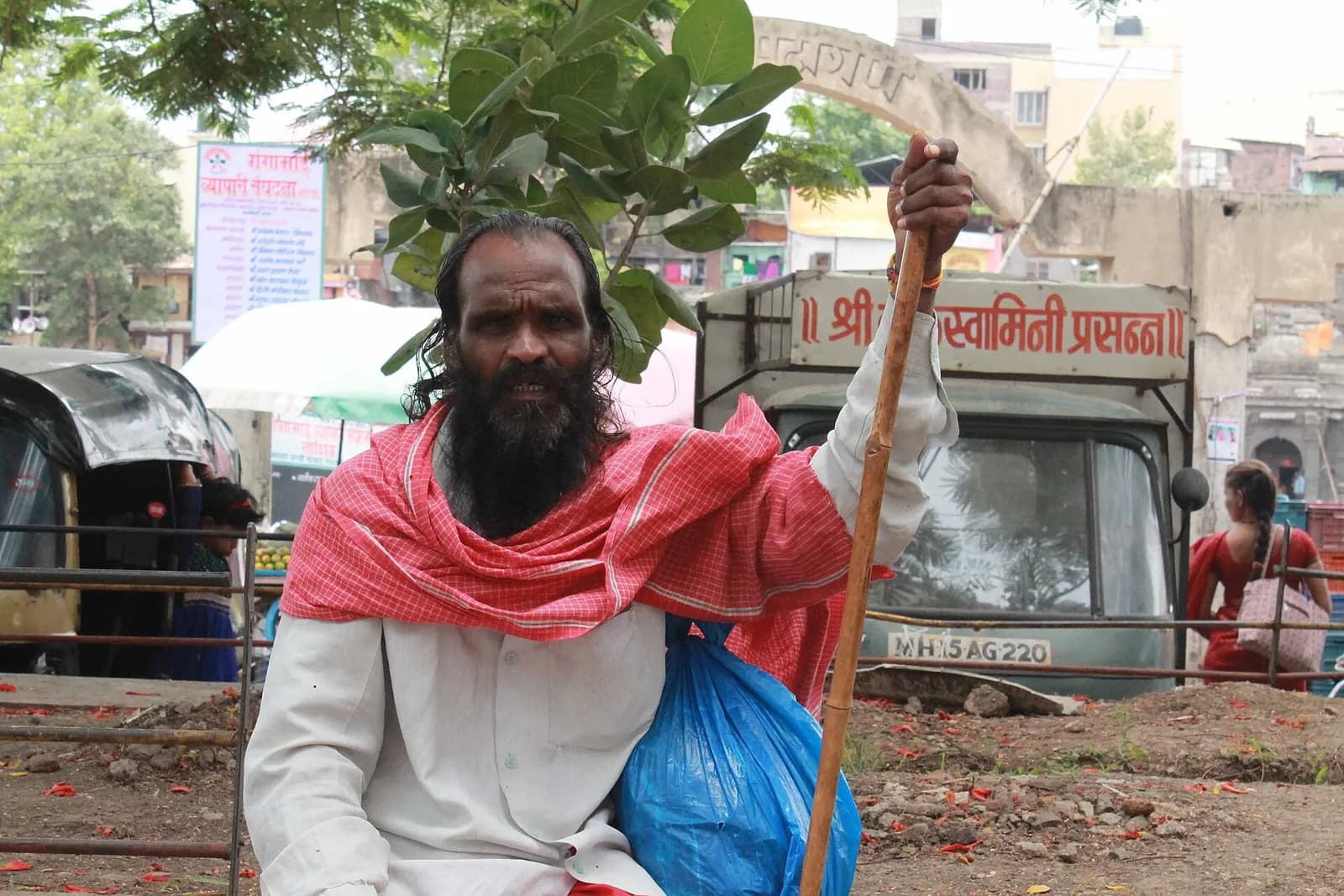
Who are they?
Naga sadhus are ascetics, mostly of the Shaiva akhadas, who have renounced worldly life completely. Many wear no clothes and cover their bodies with sacred ash (vibhuti), symbolising detachment from the body and the material world.
The name is often explained as coming from nagna, meaning bare, though other explanations link it to mountains or to the Naga people.
How does one become a Naga?
Becoming a Naga is described as a long path rather than a single step. A seeker first serves a guru and the akhada for years, living with strict discipline.
The final initiation is commonly held during a Kumbh. Accounts describe the initiate performing rites for himself, symbolically ending his former life, before being accepted as a Naga of the akhada.
📅 Amrit Snan 2027: 2 Aug · 31 Aug · 11 Sept · 12 Sept · see the calendar
Warrior ascetics
Historically, some Naga sadhus were trained in arms and defended temples and pilgrims. Their tridents, swords and martial displays in the procession recall that history.
At the Kumbh
Naga sadhus traditionally lead the Amrit Snan processions of the Shaiva akhadas. At the Nashik Simhastha this happens at Kushavarta Kund in Trimbakeshwar, one of the most powerful sights of the whole Kumbh.
Between the snans they live in their akhada camps, holding prayers around the dhuni and meeting devotees.
Please be respectful
Ask before taking photographs, keep a distance from processions, and do not crowd around sadhus. They are spiritual practitioners, not performers.
Ready to go? Turn this into a day plan.
✨ Plan thisKumbh Path explainers are written for general guidance. For official rules and timings, follow government notices.