
The 13 akhadas
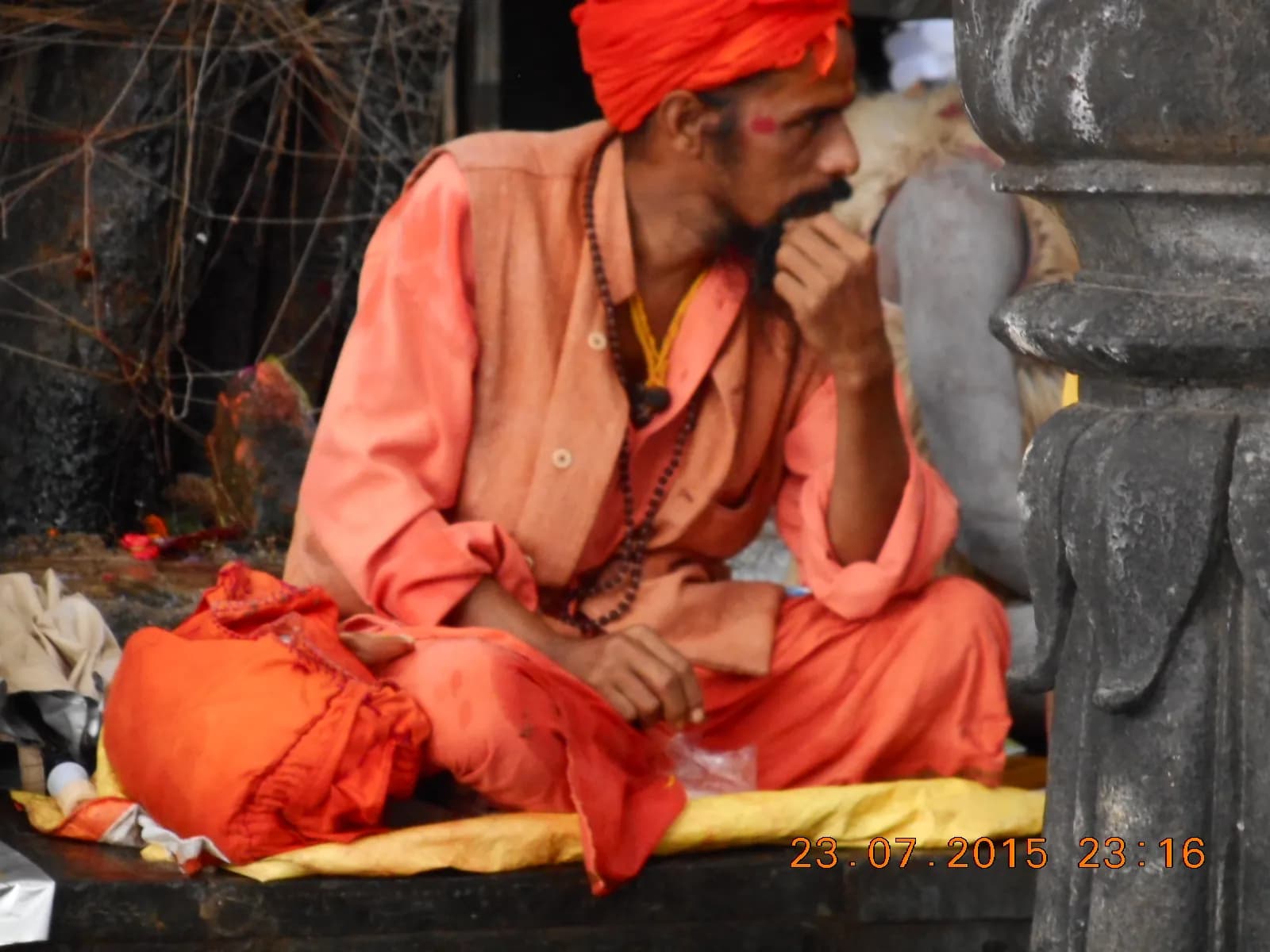
What is an akhada?
The word akhada originally means a wrestling or training ground. At the Kumbh it refers to a monastic order of sadhus with its own leaders, traditions, deities and rules.
Tradition credits Adi Shankaracharya with organising the order of Dashnami sannyasis. Over the centuries some akhadas also trained warrior ascetics who protected pilgrims and temples.
Thirteen akhadas are recognised by the Akhil Bharatiya Akhara Parishad, the council that represents them at the Kumbh.
The seven Shaiva (Sannyasi) akhadas
Devoted to Lord Shiva: Juna, Niranjani, Mahanirvani, Atal, Avahan, Anand and Agni. Juna is the largest and is known for its many Naga sadhus.
At the Nashik Simhastha the Shaiva akhadas take their Amrit Snan at Kushavarta Kund in Trimbakeshwar.
📅 Amrit Snan 2027: 2 Aug · 31 Aug · 11 Sept · 12 Sept · see the calendar
The Udasin and Nirmal akhadas
Two Udasin akhadas, Bada Udasin and Naya Udasin, follow the Udasi tradition associated with Sri Chand, the son of Guru Nanak. The Nirmal Panchayati Akhada follows the Nirmala tradition, which also has Sikh roots.
Together with the Shaiva and Vaishnava orders, they make up the thirteen.
Life in the akhada camps
During the Kumbh, akhadas set up camps in the Sadhugram, which at Nashik is around Tapovan. Each camp has a flag, a sacred fire (dhuni), daily worship, discourses and community kitchens.
The entry of an akhada into the Kumbh area, called the Peshwai, is itself a colourful procession worth seeing from a safe distance.
Visiting respectfully
Many camps welcome visitors. Remove your footwear where asked, do not touch sacred objects, ask before taking photos, and follow the instructions of camp volunteers. Avoid visiting camps on snan days, when the akhadas are preparing for their procession.
Ready to go? Turn this into a day plan.
✨ Plan thisKumbh Path explainers are written for general guidance. For official rules and timings, follow government notices.