
Nashik and Trimbakeshwar: where faith meets heritage
A Kumbh held in two places
Most Kumbh Melas happen in one city. The Nashik Simhastha is different: it is shared between Nashik, on the banks of the Godavari, and Trimbakeshwar, a temple town about 28–30 km away in the hills where the river begins.
By long tradition the Vaishnava akhadas take their Amrit Snan at Ramkund in Nashik, while the Shaiva akhadas bathe at Kushavarta Kund in Trimbakeshwar. That is why one of the great snan days has a Nashik date and a Trimbakeshwar date.
Panchavati: the Ramayana on the river bank
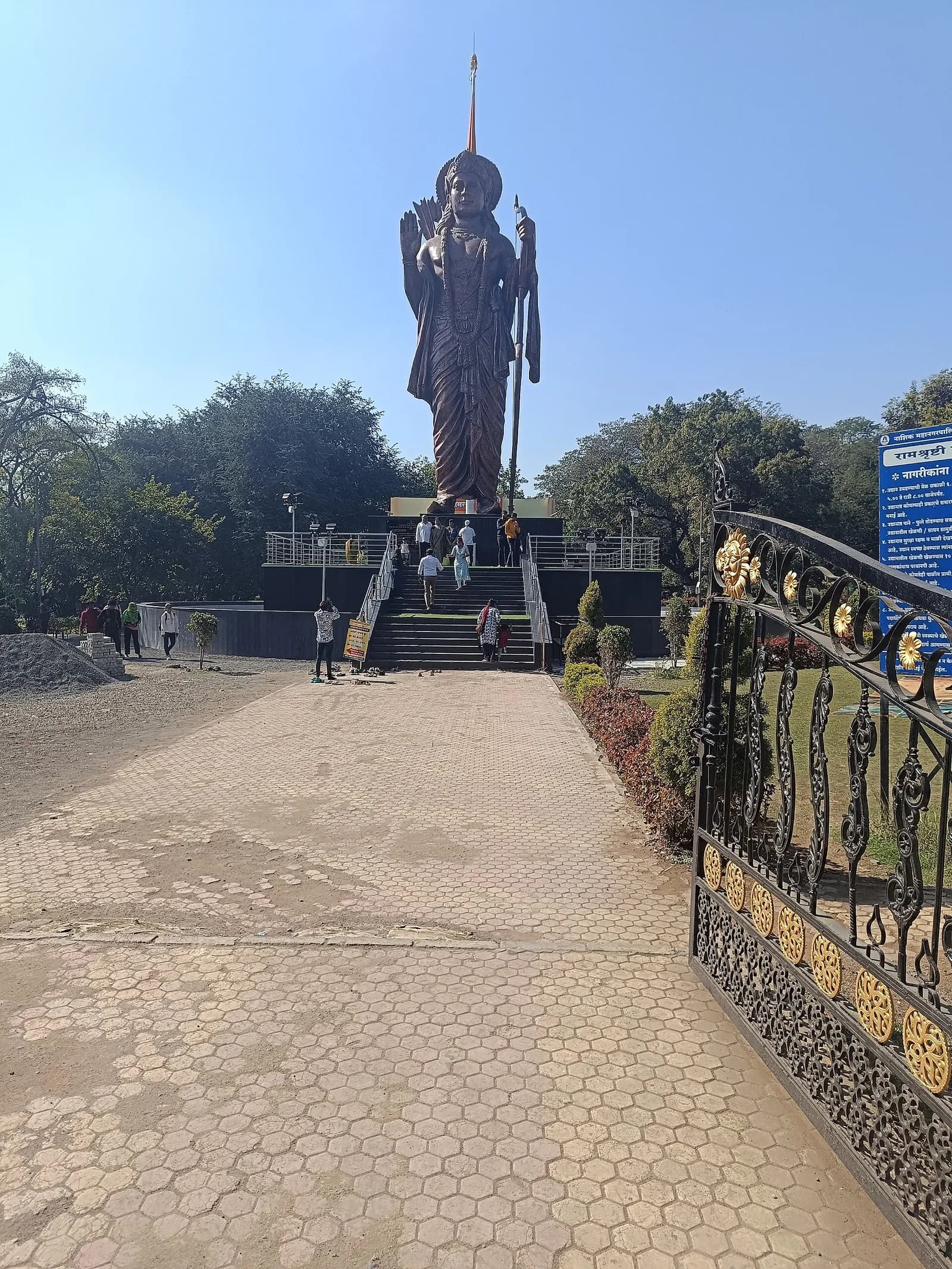
Panchavati, the old heart of Nashik, takes its name from five (pancha) banyan trees (vat). Tradition holds that Lord Rama, Sita and Lakshmana lived here during their exile in the forest, which is why so many sites in the area carry their names.
Ramkund, where Rama is believed to have bathed, is the main ghat of the Nashik Kumbh. A short walk away are Kalaram Mandir, Kapaleshwar Mandir and Sita Gufa, the small cave shrine linked with Sita. Tapovan, a little downstream, is where the akhada camps of Sadhugram are set up during the Simhastha.
📅 Amrit Snan 2027: 2 Aug · 31 Aug · 11 Sept · 12 Sept · see the calendar
Trimbakeshwar: where the Godavari begins
The Godavari rises on Brahmagiri, the hill that towers over Trimbakeshwar. Pilgrims revere it as the Dakshin Ganga, the Ganga of the south, and Kushavarta Kund in the town is honoured as the river's sacred starting point.
Trimbakeshwar is also one of the twelve Jyotirlingas of Shiva. Its lingam is unusual: a small hollow with three faces, understood to represent Brahma, Vishnu and Shiva. The present black-stone temple dates from the 18th century, rebuilt under the Peshwas.
A living city, not a museum
Today Nashik is a busy city known for its grapes and wineries as much as its temples, and Trimbakeshwar is a working temple town with priests, pilgrims and shops crowding its lanes. During the Simhastha both fill with millions of visitors, and the old and new meet at every ghat.
If you can, give each town at least one day: Panchavati and the evening aarti at Ramkund, then an early start for Kushavarta Kund and darshan at Trimbakeshwar.
Ready to go? Turn this into a day plan.
✨ Plan thisKumbh Path explainers are written for general guidance. For official rules and timings, follow government notices.