
Nashik on a plate: what to eat on your yatra
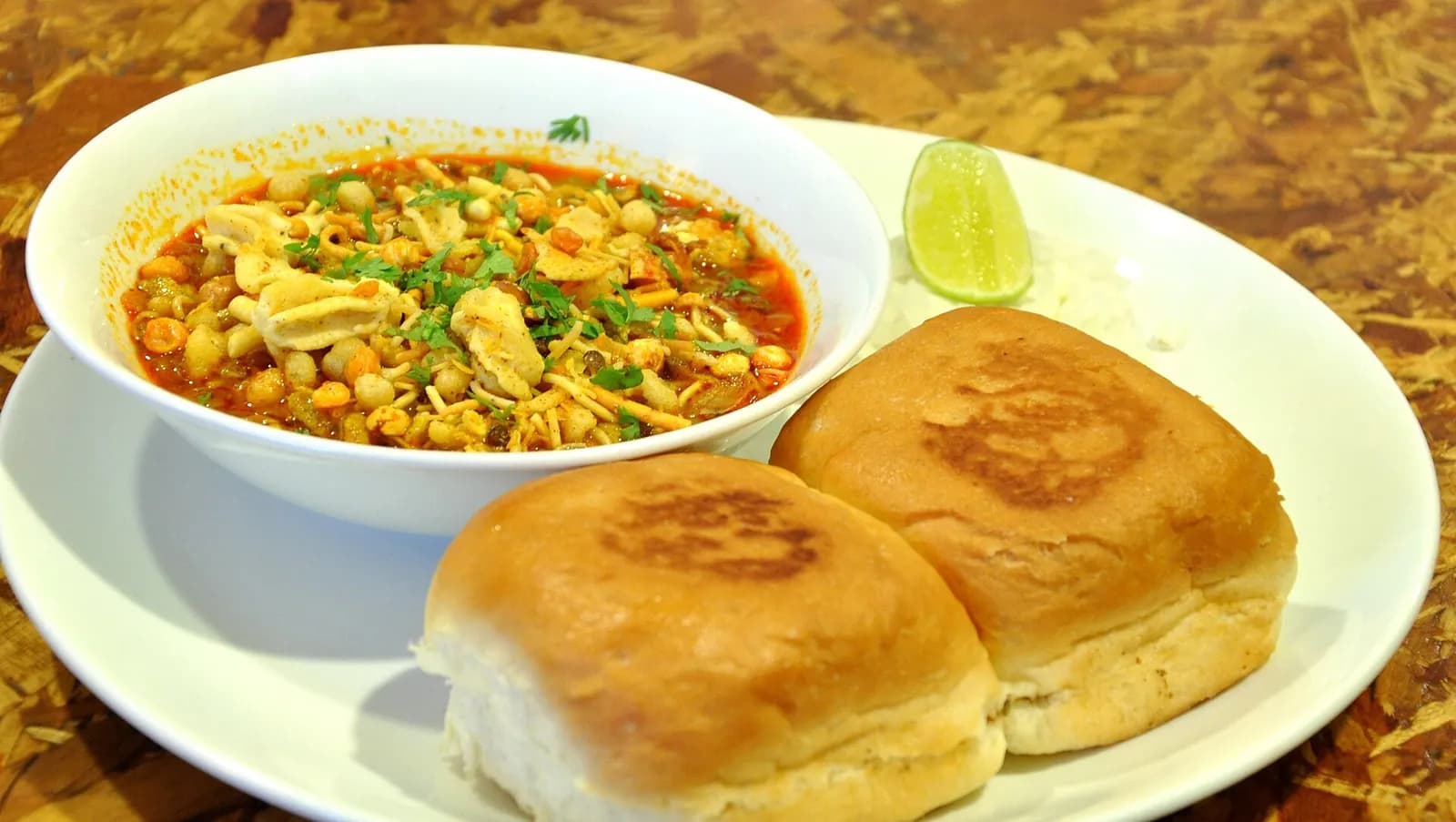
Misal pav, Nashik style
If Nashik has a signature dish, it is misal pav: a spicy curry of sprouted beans topped with crunchy farsan, onion and lemon, eaten with soft pav. Nashik misal is known for its fiery red tarri (the oily, spicy gravy), so ask for it mild if you are not used to chilli.
Misal is a breakfast favourite. Many small eateries open early, which suits pilgrims coming back from the morning snan.
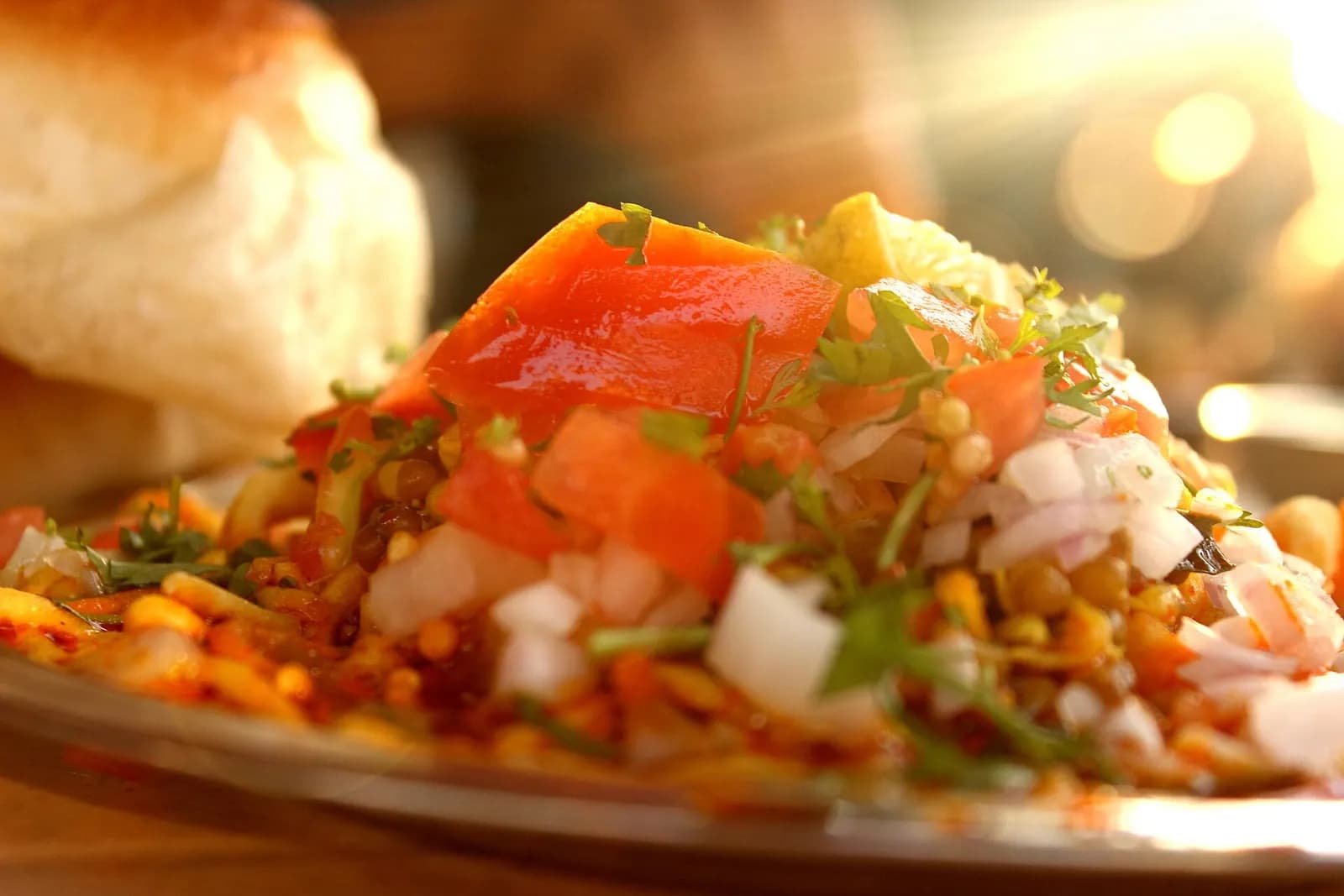
Food for fasting days
Many pilgrims fast on snan days or on Ekadashi. Nashik is full of upvas (fasting) food: sabudana khichdi and sabudana vada made from sago, shingada (water chestnut) flour dishes, roasted peanuts, fruit and sweet buttermilk.
Near the temples you will also find satvik thalis cooked without onion and garlic, and free meals at annachhatras run by trusts and akhadas during the Kumbh.
📅 Amrit Snan 2027: 2 Aug · 31 Aug · 11 Sept · 12 Sept · see the calendar
Grapes, onions and wine country
Nashik district grows a large share of India's grapes, and its vineyards have earned it the name 'wine capital of India'. In the grape season, roughly January to April, roadside stalls sell fresh bunches and raisins.
Lasalgaon in Nashik district is one of the biggest onion markets in Asia, which is why onions find their way into almost every street snack here.
Eat well, stay well
During the Kumbh, eat freshly cooked hot food, drink sealed or boiled water, and keep fruit and dry snacks for long queues. Our food guide lists annachhatras and simple rules for eating safely in the crowds.
Ready to go? Turn this into a day plan.
✨ Plan this📚 Topic from the Kumbh Nashik Parva booklet; written independently by Kumbh Path.
Kumbh Path explainers are written for general guidance. For official rules and timings, follow government notices.