
KundVerified
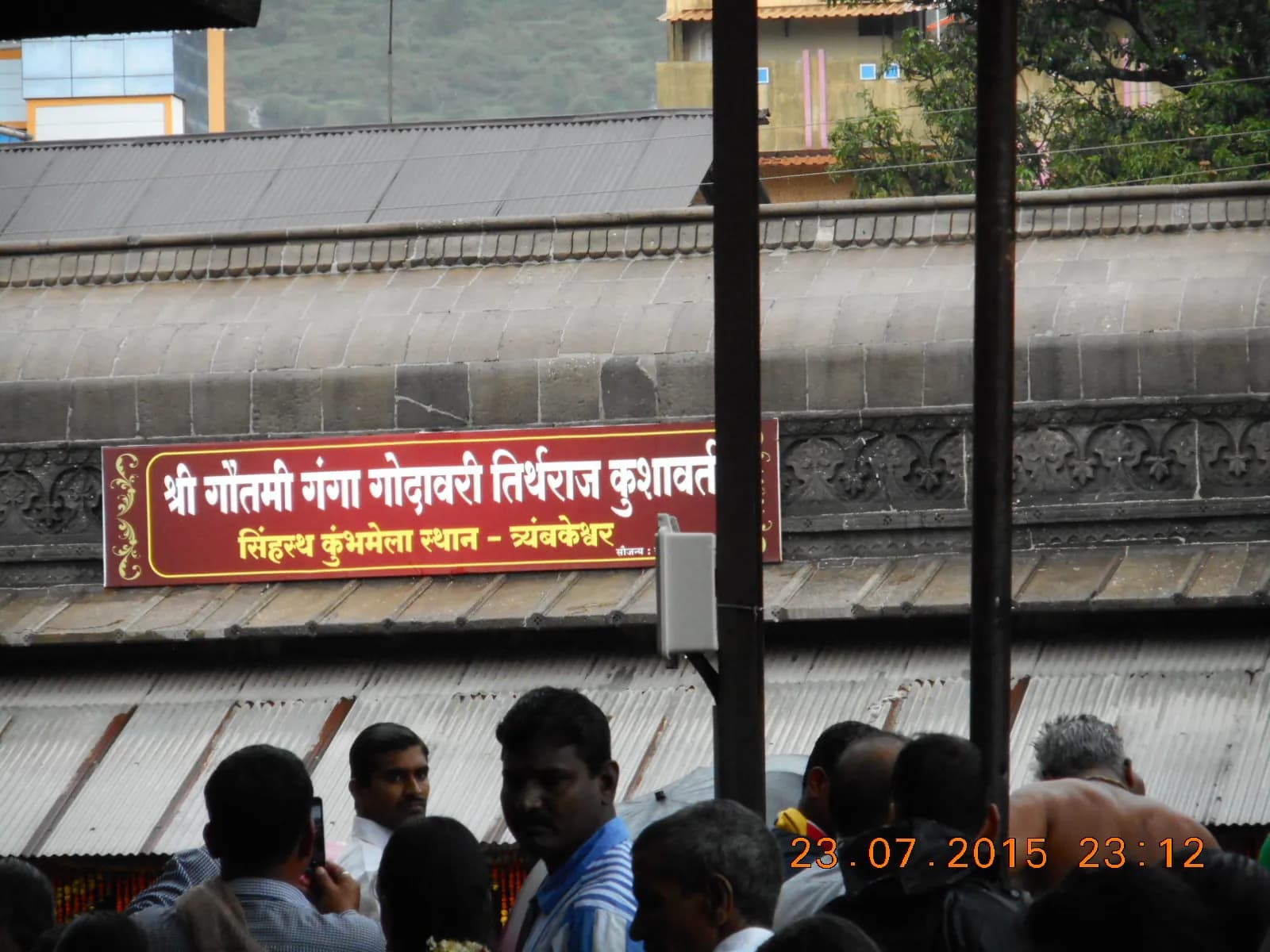
Kushavarta Kund
Source tirtha of the Godavari, Trimbakeshwar
Best time: early morning · Trimbakeshwar
One of the 12 Jyotirlingas.
Sthal mahatmya
Trimbakeshwar is one of the twelve Jyotirlingas of Lord Shiva. The lingam here is unique for its three faces, representing Brahma, Vishnu and Mahesh.
The temple sits at the foot of the Brahmagiri hill, about 28 km from Nashik. Expect long darshan queues during the Kumbh; check the temple trust for official darshan timings.
The Shiva Purana tells how Brahma and Vishnu once argued over which of them was supreme. Shiva appeared between them as an endless pillar of light piercing the three worlds. Vishnu went down and Brahma went up to find its end; Vishnu admitted he could not, while Brahma falsely claimed he had.
The places where Shiva is worshipped as that pillar of light are the jyotirlingas. Twelve are held most sacred across India, and Trimbakeshwar is one of them.
What sets Trimbakeshwar apart is that its linga has three faces, for Brahma, Vishnu and Shiva. The town’s name echoes this: Tryambaka means the three-eyed one, a name of Shiva.
The linga sits in a small hollow where water keeps rising, and it has slowly worn away over the centuries. During darshan it is covered with a gold mask of the three gods and a jewelled crown, which is shown to devotees on Mondays.
In 1690 the temple was raided and destroyed by Aurangzeb’s forces. In the 18th century the Peshwa Balaji Bajirao (Nanasaheb) had it rebuilt in black basalt, with the carved walls and tall shikhara you see today.
A popular story says the Peshwa made a bet that the stone around the jyotirlinga was not hollow. When it proved hollow, he kept his word by building this temple.
The linga was once adorned with a large blue diamond. In April 1818, while British troops besieged the fort above Trimbak, the Peshwa’s men removed the gem from the temple. It was later handed to the British and shipped to England, and is known today as the Nassak Diamond.
Trimbakeshwar is known for rites that are done at few other places, including Narayan Nagbali, Kalsarpa Shanti and Tripindi Shraddha. Narayan Nagbali takes three days and is done only on suitable dates, so book with a registered priest in advance.
The pandits of Trimbak also keep genealogy registers of pilgrim families, going back generations. Many visitors ask their family’s priest to look up the visits of their ancestors.
Did you know?
The jyotirlinga sits in a small hollow and has three faces for Brahma, Vishnu and Mahesh, which is rare among the twelve jyotirlingas.
Water rises in the hollow around the linga. Priests cover it with a silver mask and crown during darshan.
An old gem-studded crown, said to date from the Pandava era, is shown to devotees on Mondays for a short time.
The present black-stone temple was rebuilt in the 18th century under Peshwa Balaji Bajirao, with finely carved walls and shikhara.
The Brahmagiri hill behind the temple is where the Godavari rises. Trimbak is therefore one of the two Simhastha sites.
Puja & seva
Utsav
Mahashivratri
Phalgun (February–March)
Shravan Mondays
July–August
Sant Nivruttinath yatra
Paush (January)
Tripuri Purnima
Kartik (November)
Before you go
FAQ
Usually 5:30 AM to 9 PM, with pujas in the morning, at noon and in the evening. Timings change during festivals and the Simhastha.
Around ₹200 per person, sold by the temple trust at its counter and on its official website. Buy only from the trust.
No. Phones and cameras must be left in the paid lockers near the entrance.
It is about 28 km. MSRTC buses leave the Nashik CBS and Mela bus stand every few minutes, and taxis take about 45 minutes.
In Trimbak town, by registered purohits. The rituals take one to three days; agree the cost and samagri list in advance.
Source tirtha of the Godavari, Trimbakeshwar
Best time: early morning · Trimbakeshwar
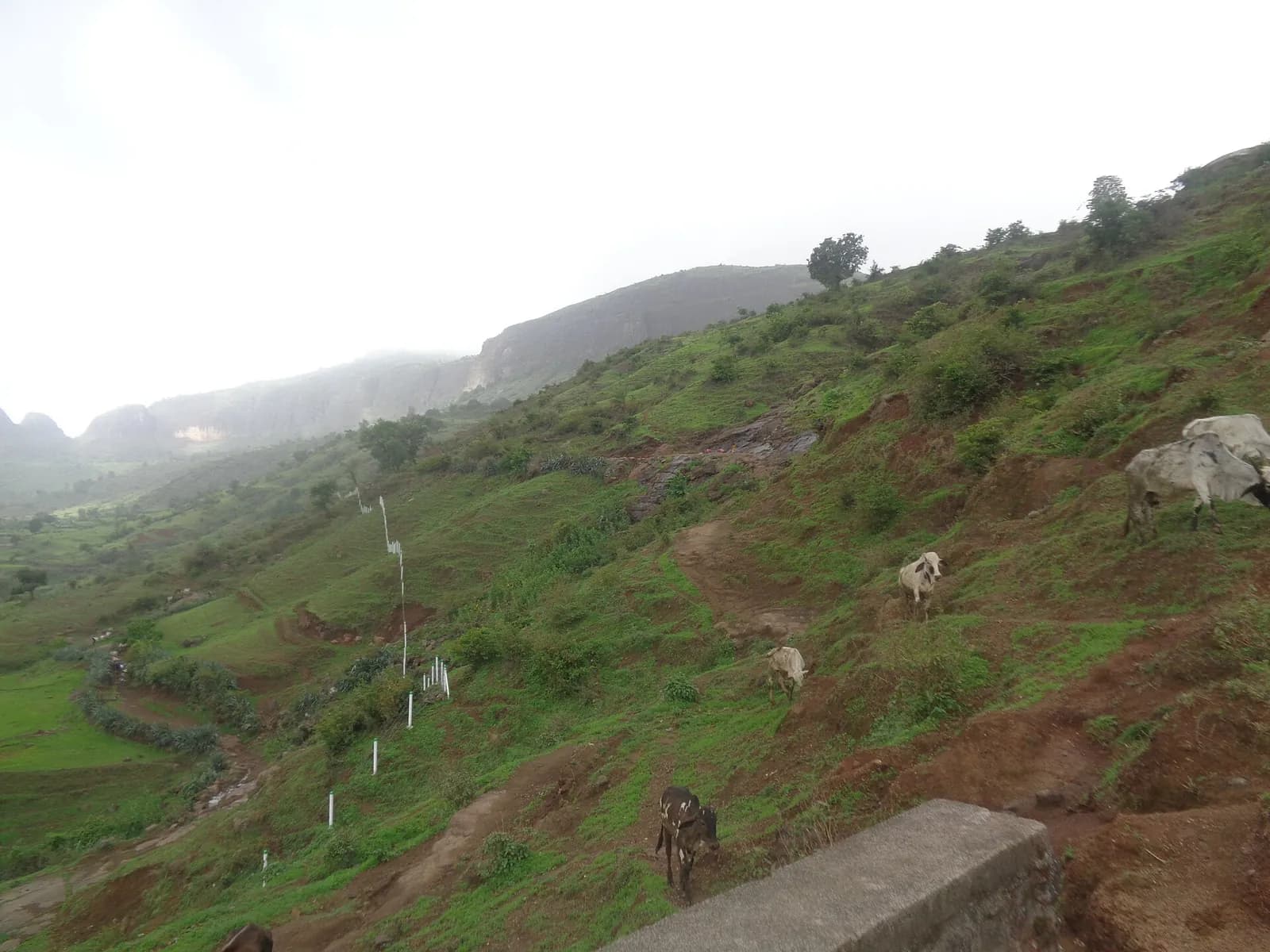
Hill linked to the birth of Hanuman
Best time: morning, dry weather · Trimbakeshwar